
Sagging gutters are more than just an eyesore. When a gutter system starts to pull away from the roofline or dip in certain sections, it’s often a sign of underlying issues that can lead to water damage, foundation problems, and costly repairs. Understanding the most common causes of sagging gutters and knowing when sagging gutter repair is needed can help homeowners protect their property before small problems turn into major ones.
Why Sagging Gutters Are a Serious Problem
Gutters are designed to collect rainwater and direct it safely away from your home. When gutters sag, water no longer flows properly toward the downspouts. Instead, it pools in low spots, overflows the edges, or spills back toward the roof and fascia.
Over time, this can cause wood rot, staining on siding, erosion around the foundation, and even basement moisture issues. What may seem like a minor cosmetic issue is often an early warning sign that your gutter system is failing.
Common Causes of Sagging Gutters
One of the most frequent causes of sagging gutters is excess weight. Leaves, twigs, dirt, and other debris can accumulate inside the gutter channel, especially during fall and stormy seasons. When debris combines with standing water, the added weight can strain hangers and fasteners until the gutter begins to droop.
Improper installation is another common issue. If gutters are not installed with the correct spacing between hangers or lack adequate support, they may sag over time even under normal conditions. This is especially true for older systems or DIY installations.
Loose or damaged fasteners also contribute to sagging gutters. Over time, nails or screws can pull out of the fascia board, particularly if the wood has softened due to moisture exposure. Once fasteners loosen, the gutter loses its structural support.
In some cases, sagging gutters are caused by fascia board damage. If the wood behind the gutter is rotting or deteriorating, it may no longer be strong enough to hold the gutter securely in place.
How Sagging Gutters Affect Water Drainage
When gutters sag, water flow becomes uneven. Instead of moving efficiently toward downspouts, water collects in low spots. This standing water increases the risk of leaks and accelerates corrosion in metal gutters.
Overflowing water can spill directly onto siding or pool around the foundation. In winter months, trapped water can freeze, expanding and placing even more stress on the gutter system. This cycle often leads to worsening damage if not addressed promptly.
Effective Sagging Gutter Repair Solutions
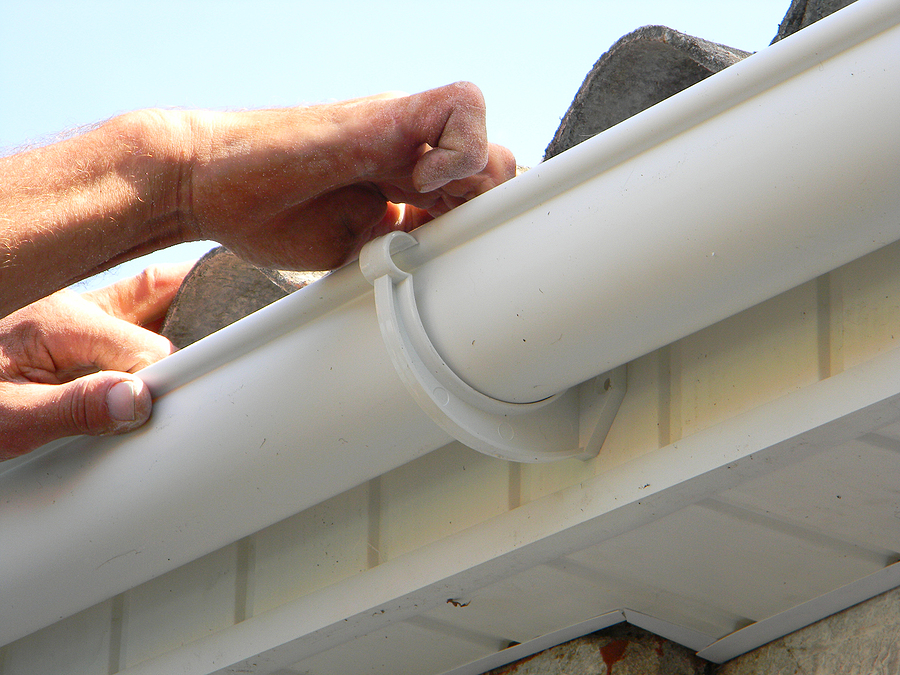
The right repair approach depends on the cause and severity of the sagging. In many cases, professional sagging gutter repair involves re-securing the gutter with new, properly spaced hangers designed to support the weight of the system.
If fasteners have loosened, replacing them with stronger screws anchored into solid fascia can restore stability. In situations where fascia damage is present, repairs may include replacing or reinforcing the fascia board before reattaching the gutter.
For gutters that have lost their proper slope, adjusting the pitch is critical. Even a slight angle correction can significantly improve water flow and prevent future sagging.
In severe cases, especially with older sectional gutters, replacement may be the most effective long-term solution. Seamless gutter systems often provide better support and durability, reducing the likelihood of sagging in the future.
Can You Fix Sagging Gutters Yourself?
Minor sagging caused by debris buildup can sometimes be addressed with thorough cleaning. However, structural issues such as damaged hangers, improper pitch, or rotted fascia usually require professional attention.
Attempting repairs without the right tools or experience can lead to improper alignment or additional damage. Professional technicians can identify the root cause and apply a solution that restores both function and longevity.
Preventing Sagging Gutters in the Future
Regular gutter maintenance is one of the best ways to prevent sagging gutters. Keeping gutters clear of debris reduces excess weight and allows water to flow freely.
Proper installation and high-quality materials also make a significant difference. Gutters installed with adequate hanger spacing and durable fasteners are far less likely to sag over time.
Routine inspections, especially after heavy storms, can catch small issues early before they require extensive repairs.
Get Professional Sagging Gutter Repair From York County Gutters
Sagging gutters are a warning sign that your drainage system needs attention. Whether the issue is debris buildup, loose fasteners, or structural damage, timely sagging gutter repair can prevent water damage and extend the life of your gutter system. Ignoring sagging gutters often leads to bigger, more expensive problems down the road.
If you’re dealing with sagging gutters or suspect your system isn’t draining properly, York County Gutters is here to help. Our team specializes in diagnosing and repairing sagging gutters to restore proper function and protect your home. Schedule an inspection or request a quote today.